
Systems Thinking
The Problem Is Often the System, Not the Person
By The Human Delta · 21 June 2026 · 2 min read
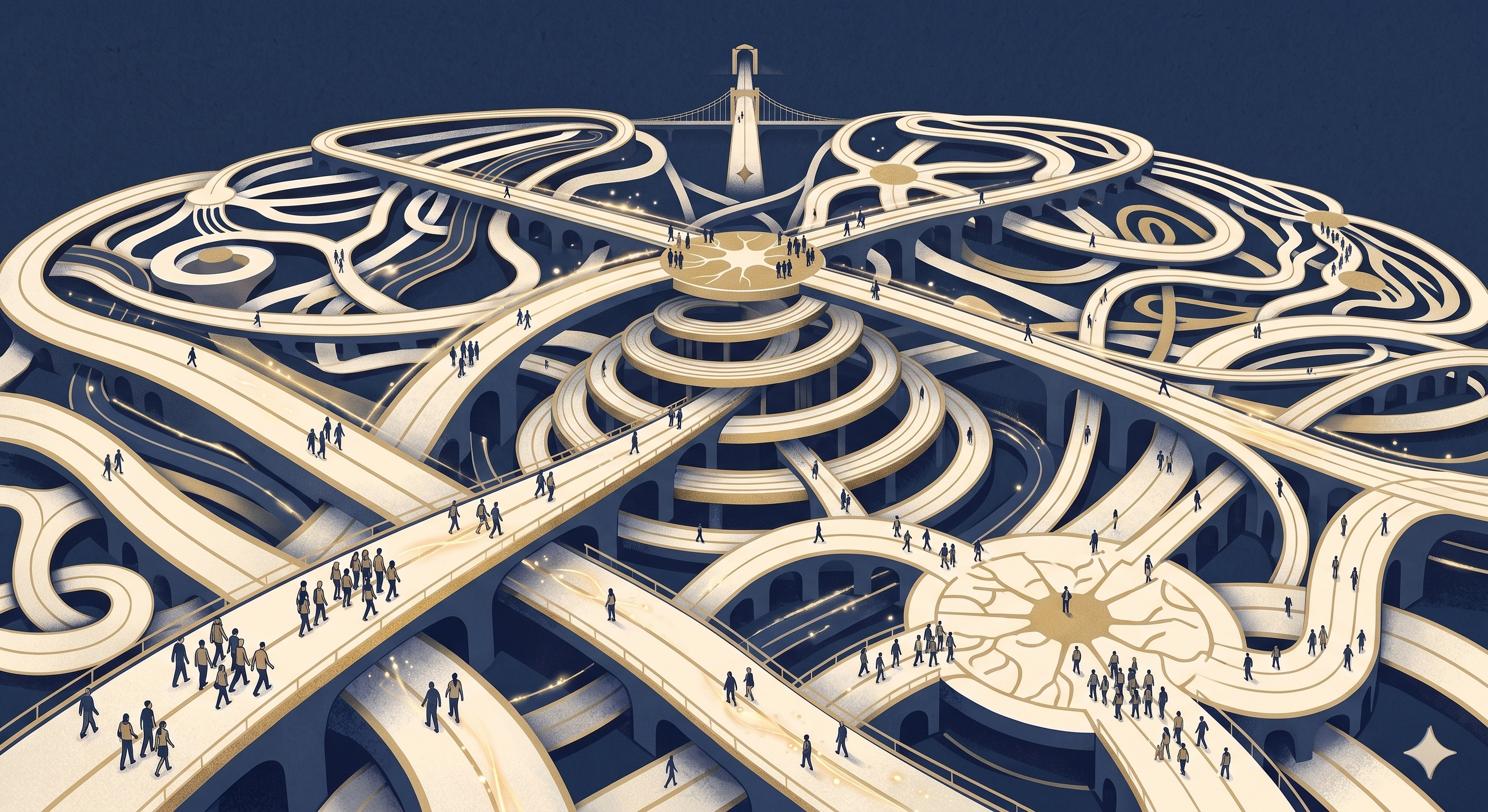
When the same problems appear repeatedly, the cause is often not individual performance but the systems, structures and incentives surrounding it.
When something goes wrong, our instinct is often to look for a person to blame.
A missed deadline.
Poor collaboration.
Slow decision-making.
Customer complaints.
Low engagement.
The assumption is usually straightforward.
Someone made a mistake.
Someone needs to improve.
Someone needs more training.
Sometimes that is true.
More often than we realise, however, the issue runs deeper.
What if the behaviour we see is not primarily the result of individual choices?
What if it is the result of the system people are operating within?
Systems shape behaviour.
The goals we set.
The incentives we create.
The processes we design.
The information people receive.
The decisions we reward.
All of these influence how people act.
Consider a team that struggles with collaboration.
It is tempting to conclude that people need to communicate better.
Yet if goals are measured individually, resources are limited and departments compete for attention, the system may be encouraging the very behaviour we want to change.
The same principle appears in many organisations.
Leaders ask for innovation but punish failure.
Teams are expected to collaborate but rewarded for individual performance.
People are encouraged to take ownership but required to seek approval for every decision.
The result is frustration.
Not because people lack capability.
Because the system sends conflicting signals.
This is one of the central ideas of systems thinking.
Behaviour does not occur in isolation.
It emerges from interactions between people, processes, structures and incentives.
When leaders focus only on individuals, they often treat symptoms.
When leaders examine the system, they begin to address causes.
This does not remove personal accountability.
People still make choices.
Performance still matters.
Capability still matters.
However, sustainable improvement often requires us to look beyond individuals and understand the environment in which those individuals operate.
Good leaders ask different questions.
Instead of asking:
"Who is responsible?"
they also ask:
"What in the system is contributing to this outcome?"
Instead of asking:
"How do we fix this person?"
they ask:
"What conditions are making success difficult?"
These questions often reveal opportunities that would otherwise remain hidden.
Systems thinking encourages us to step back and see the bigger picture.
To notice patterns rather than isolated events.
To understand relationships rather than individual actions.
To recognise that today's challenges are often connected to yesterday's decisions.
The goal is not to assign blame.
The goal is to create better conditions for success.
Because lasting change rarely comes from fixing people alone.
It comes from improving the systems that shape how people work, learn and grow.
The problem is often not the person.
The problem is often the system.
Continue Your Growth Journey
The greatest leadership challenges often emerge from systems, not individuals. STRATOS™ helps leaders understand complexity, create clarity and build conditions where people and organisations can thrive.
Learn more about STRATOS™